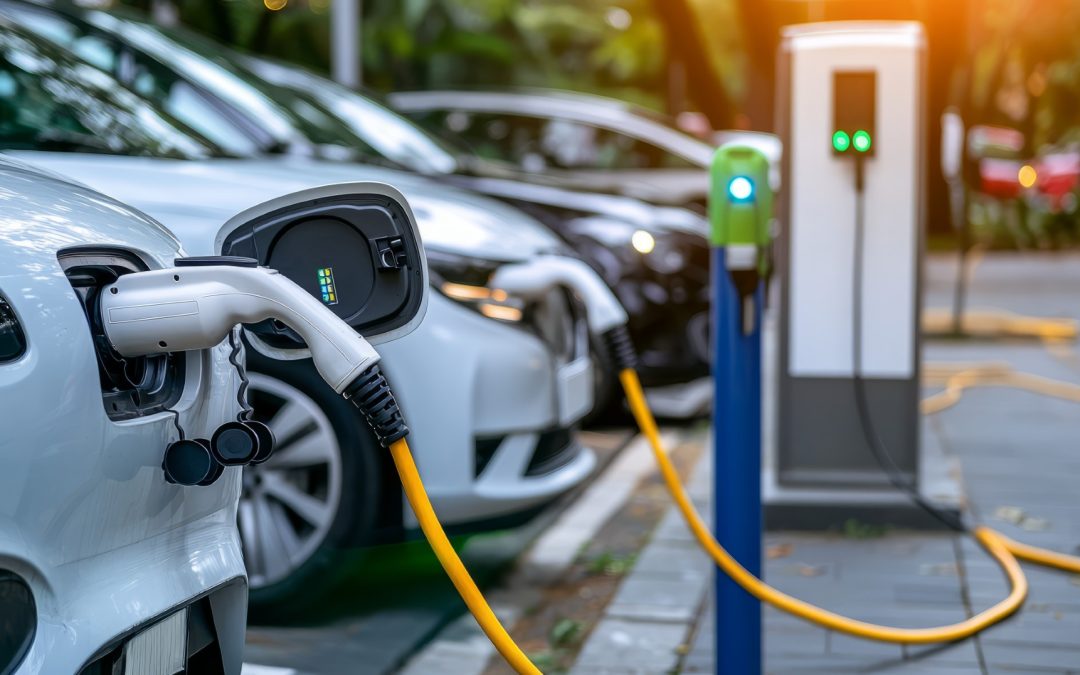
Petrol and diesel cars have long been linked to immeasurable greenhouse gas emissions dangerous to the environment and humans. The need to ensure cleaner air quality, friendly environments and make humans enjoy living in a healthy atmosphere led to the discovery of electric vehicles which are gradually making inroads across Europe and other parts of the world. These plug-in hybrid electric vehicles are the future, and you must be familiar with them to not be left behind as their revolution gradually takes the world by storm.
Below are five things you should know about Electric Vehicles to get a grip on the wonder they are becoming on roads globally.
Electric vehicles are hugely ecologically friendly
The headline says it all as they are made from clean, renewable energy as their energy sources can be solar or wind. Also, they do not emit gases. This helps the climate and air quality a lot as both the environment and humans are protected. Their energy efficient level is fantastic. The greenhouse gas emission emanating from raw material extraction to the manufacturing of the vehicles, batteries and reprocessing after the vehicles’ lifespan is ridiculously low. You are undoubtedly aware of the intense health challenges humans suffer from emissions by diesel, petrol cars.
Electric Vehicles are high-performing, recyclable
Batteries of electric vehicles are high performing, efficient and recyclable. They are intentionally built to last and rechargeable. The vehicles are purposely manufactured to make statements on the need for the world to migrate quickly to a friendlier and more sustainable vehicle type. Thus, the batteries are sturdy partners in ensuring the transition and affirmation of the vehicle cycle. There are even laws, in many countries where the cars have gained popularity, regarding recycling the batteries and the raw materials for production to ensure safety and quality.
Battery technology improving
There are consistent improvements on battery technology to increase mileage of electric cars. Though, daily commute capacity depends on driving style, weather, battery health and other factors, efforts are geared towards making driving electric vehicles a pleasurable experience. Now, electric vehicles are believed to travel over 200 miles per charge. The number increases as modern technology broadens battery life, charging methods and recycling of electric batteries. In fact, recent research has shown that electric vehicles (EV) batteries are built for high-performing and efficient capacity based on improvements on their components such as electrolyte, anode, cathode electrodes and separators.
Electric vehicle batteries economical than typical cars
It’s a no-brainer that electric cars consume less energy than conventional cars. Besides, they are run largely on a low maintenance level than diesel, petrol vehicles. It is obvious that the total cost of preserving an electric car is far less compared to conventional vehicles when comparing the lifespan of both vehicle types. Electric vehicles don’t require oil change, brake replacements, oil filters, transmission or other dominant issues associated with conventional vehicles.
Electric Vehicles are safe to drive
Like all cars, there is always the need for safe driving. Safe driving is remarkably about the driver and not the car! But batteries of electric cars are specially built with safety in mind. They are protected against possible risks such as fires or leakages. They are globally tested, and several drivers of electric cars have attested to the comfort of the cars and reliability of the batteries. You should join the league of electric car owners today and experience the comfort you have been missing. Like they say, the proof of the pudding is in the eating.
Lastly, if you’re looking for more Electric Vehicle content, Xpress Auto Moves Group is your go to source with accurate and honest opinion. Check out this Electric Vehicle blog guide on Exploring the Good and Bad of Electric Vehicles.